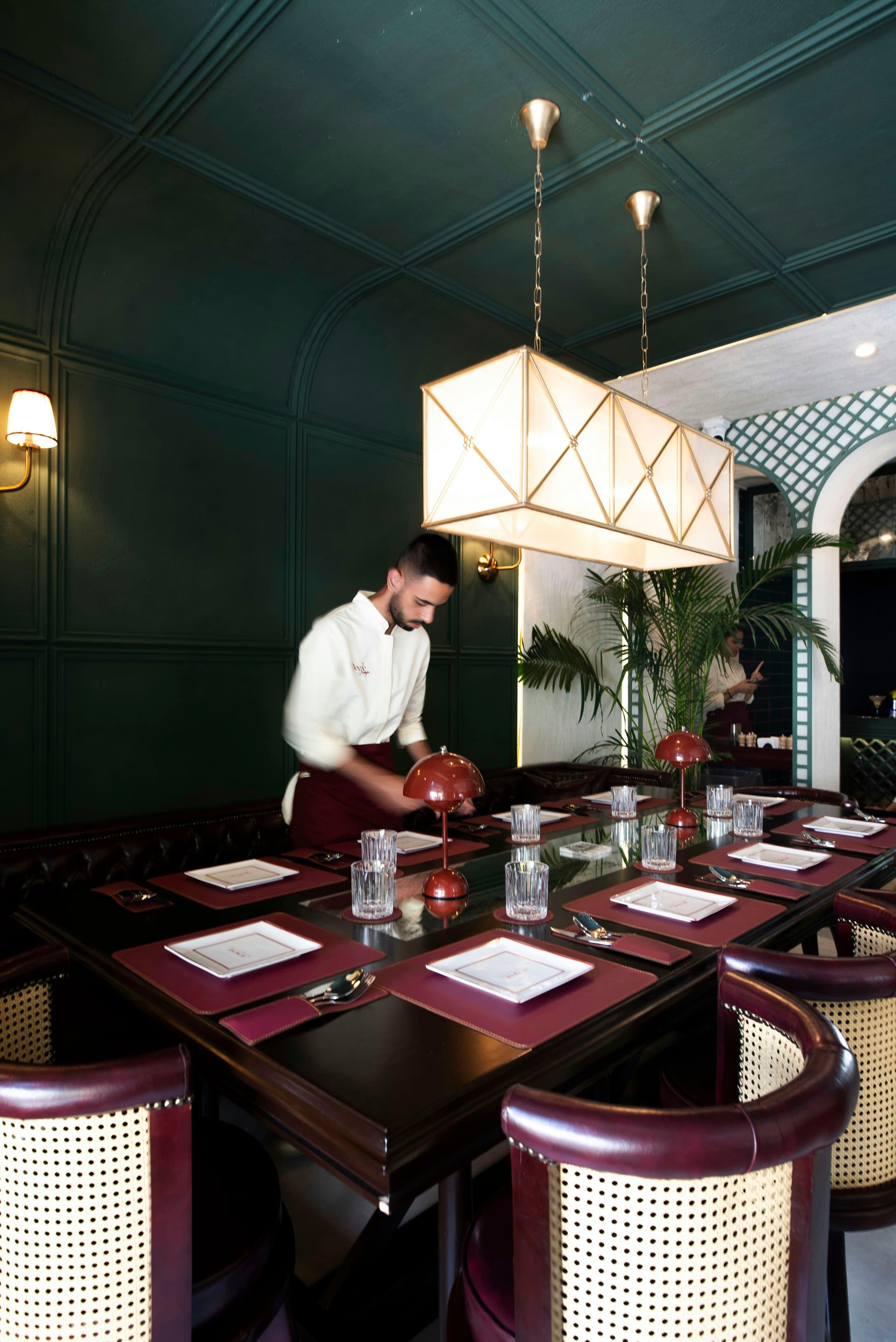
A restaurant VIP preview night should be a controlled service rehearsal with a deliberately narrower promise than the public opening. Decide in advance what the team is testing, whom to invite and which failures would postpone the next service.
TouchBistro's soft-opening checklist uses a limited menu and live service before a restricted audience as practical parts of opening preparation.
Rezku separately recommends a limited guest list, a reduced menu and structured feedback. Together, the sources support the operating method below; they do not establish that a preview night guarantees stronger reviews, revenue or opening performance.
The reading
1. Write the test before writing the guest list. Name the few journeys the preview must expose: invitation to confirmation, arrival to seating, order to delivery, payment to departure and complaint to recovery. Give each journey an owner and a pass condition. “The room felt good” is not evidence; a recorded handoff, timing issue or unresolved exception is.
2. Invite for observation, not reach. Set capacity from what the kitchen, bar and floor can rehearse responsibly, then build a guest list the team can identify and host. Separate invited guests, press, partners and personal guests so arrival, seating and follow-up have clear owners. Do not fill spare seats merely to make the room look open.
3. Limit the promise without disguising it. Choose the menu, reservation windows, table mix and service sequence that the team is genuinely ready to execute. Tell guests what the evening is: a preview with a defined offer, not a finished public service under another name. The reduced scope should still test real ordering, production, delivery, payment and recovery.
4. Capture feedback at the point of action. Give managers one shared log for operational facts: the table, moment, observed issue, immediate response and accountable owner. Keep guest impressions separate from service defects. Before the team leaves, convert each material issue into a decision: fix before the next preview, accept temporarily with a control, or delay the public opening.
5. Protect the opening after the room empties. Hold the review against the pass conditions set before service, not against the mood of the evening. Reopen only the journeys that failed, assign deadlines and decide who can clear them. The preview is complete when management has made the next-service decision and the team knows what changes—not when the final guest departs.
— Maison Pompon
Sources & image credits
Editorial sources